
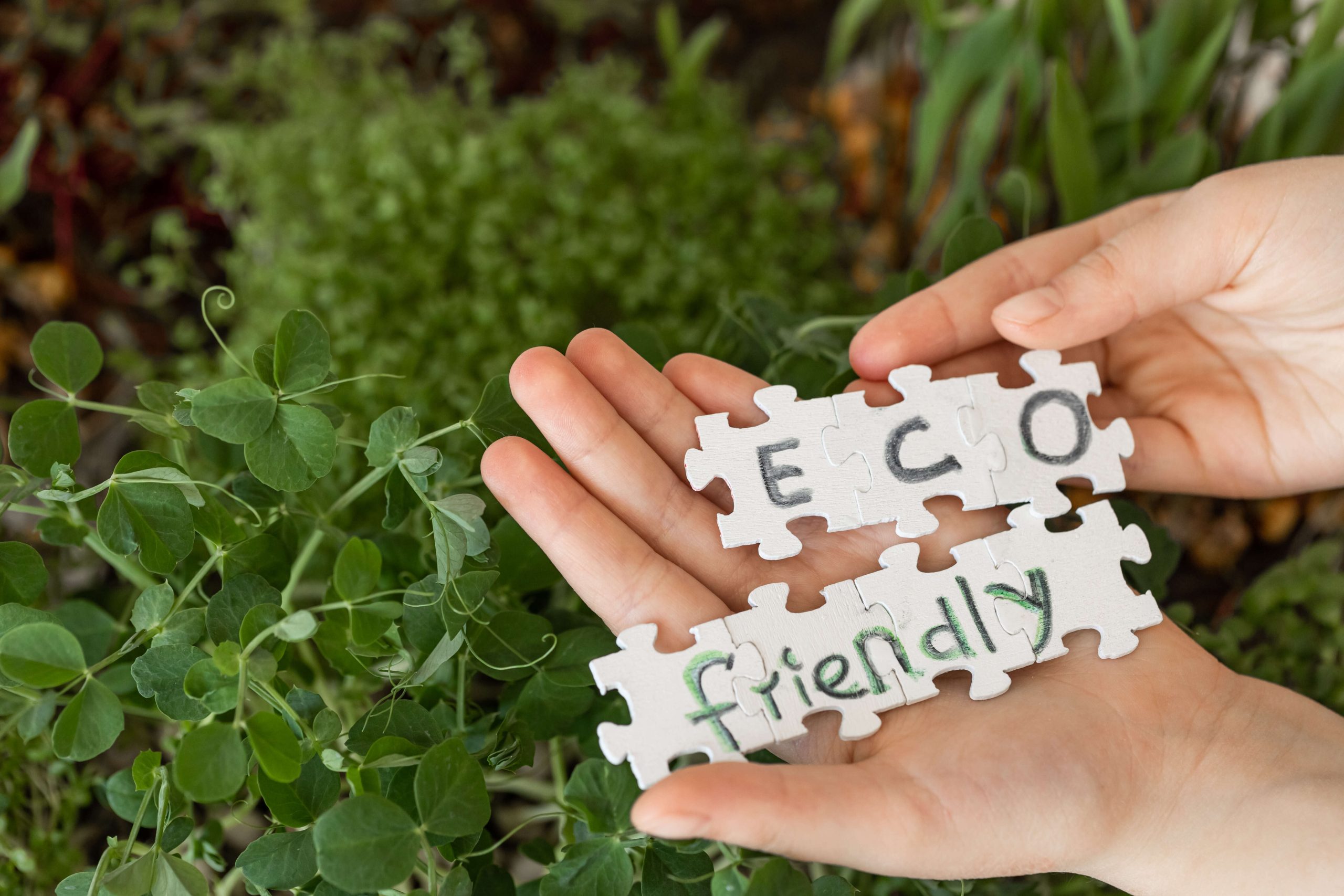
As we embrace 2025, sustainable living continues to be a top priority for households worldwide. Building an eco-friendly home is not just about reducing your carbon footprint but also about creating a healthier, cost-efficient, and more resilient living space. Here are some practical tips to make your home more sustainable this year:
1. Optimize Energy Efficiency
Energy conservation is a cornerstone of sustainable living. Consider implementing these measures:
- Smart Appliances: Upgrade to energy-efficient devices like smart thermostats, LED lighting, and ENERGY STAR-rated appliances that use less power and adapt to your consumption patterns.
- Solar Power: Invest in solar panels to harness renewable energy. Many governments offer subsidies or tax incentives for households transitioning to solar.
- Insulation Matters: Use eco-friendly insulation materials such as recycled denim or cork to maintain indoor temperature, reducing heating and cooling costs.
2. Embrace Water Conservation
With growing concerns about water scarcity, every drop saved counts. Here’s how you can conserve water at home:
- Low-Flow Fixtures: Install water-saving fixtures like low-flow showerheads, faucets, and dual-flush toilets.
- Rainwater Harvesting: Collect rainwater for irrigation or household uses to reduce dependency on municipal water supplies.
- Greywater Systems: Reuse water from sinks and showers for landscaping or flushing toilets.
3. Choose Sustainable Materials
Whether you’re building or renovating, opt for materials that are sustainable and durable:
- Bamboo and Reclaimed Wood: These renewable materials are perfect for flooring, furniture, or décor.
- Recycled Products: Incorporate items made from recycled materials such as metal roofing or glass tiles.
- Low-VOC Paints: Improve indoor air quality with paints that have minimal volatile organic compounds (VOCs).
4. Manage Waste Effectively
Waste management plays a significant role in reducing environmental impact. Start by adopting these habits:
- Composting: Turn kitchen scraps and garden waste into nutrient-rich compost for your garden.
- Recycling Stations: Set up organized bins for paper, plastics, metals, and e-waste to make recycling easier.
- Reduce Single-Use Plastics: Replace disposable items with reusable alternatives such as cloth bags and glass containers.
5. Create a Green Garden
Gardening not only beautifies your home but also contributes to sustainability. Here’s how to make your garden eco-friendly:
- Native Plants: Choose drought-resistant plants that thrive in your local climate, requiring less water and maintenance.
- Vertical Gardens: Save space and grow your herbs, vegetables, or flowers using vertical setups.
- Composting Integration: Use compost from your kitchen waste to enrich the soil naturally.
6. Incorporate Renewable Energy Innovations
Beyond solar panels, there are other renewable energy options to consider:
- Wind Turbines: Small-scale wind turbines can provide additional power for homes in windy areas.
- Energy Storage Systems: Install batteries to store excess renewable energy for nighttime use or emergencies.
7. Automate for Efficiency
Smart technologies can transform your home’s efficiency:
- Smart Home Systems: Automate lighting, heating, and appliance usage to reduce energy waste.
- Energy Monitoring Tools: Use apps or devices to track and optimize your household’s energy consumption.
8. Adopt Sustainable Transportation Practices
Transportation-related changes can also enhance your eco-friendly lifestyle:
- Home EV Chargers: Install an electric vehicle (EV) charger to power your car sustainably.
- Shared Mobility: Explore carpooling or neighborhood EV-sharing programs to cut emissions.
9. Enhance Indoor Air Quality
A healthy home starts with clean air. Improve your indoor environment with these tips:
- Air-Purifying Plants: Incorporate greenery like snake plants or spider plants to naturally clean the air.
- Ventilation Upgrades: Ensure proper cross-ventilation and consider air purifiers with HEPA filters for better air quality.
10. Practice Mindful Consumption
Finally, rethink how you purchase and consume products:
- Buy Locally: Support local businesses and farmers to reduce transportation-related emissions.
- Minimalist Living: Focus on quality over quantity to minimize waste and reduce environmental impact.
Conclusion
Sustainability begins at home, and even small changes can make a significant difference. By integrating these tips into your lifestyle, you can reduce your environmental footprint while creating a more efficient and comfortable living space. Let 2025 be the year your home becomes a shining example of eco-friendly living!