
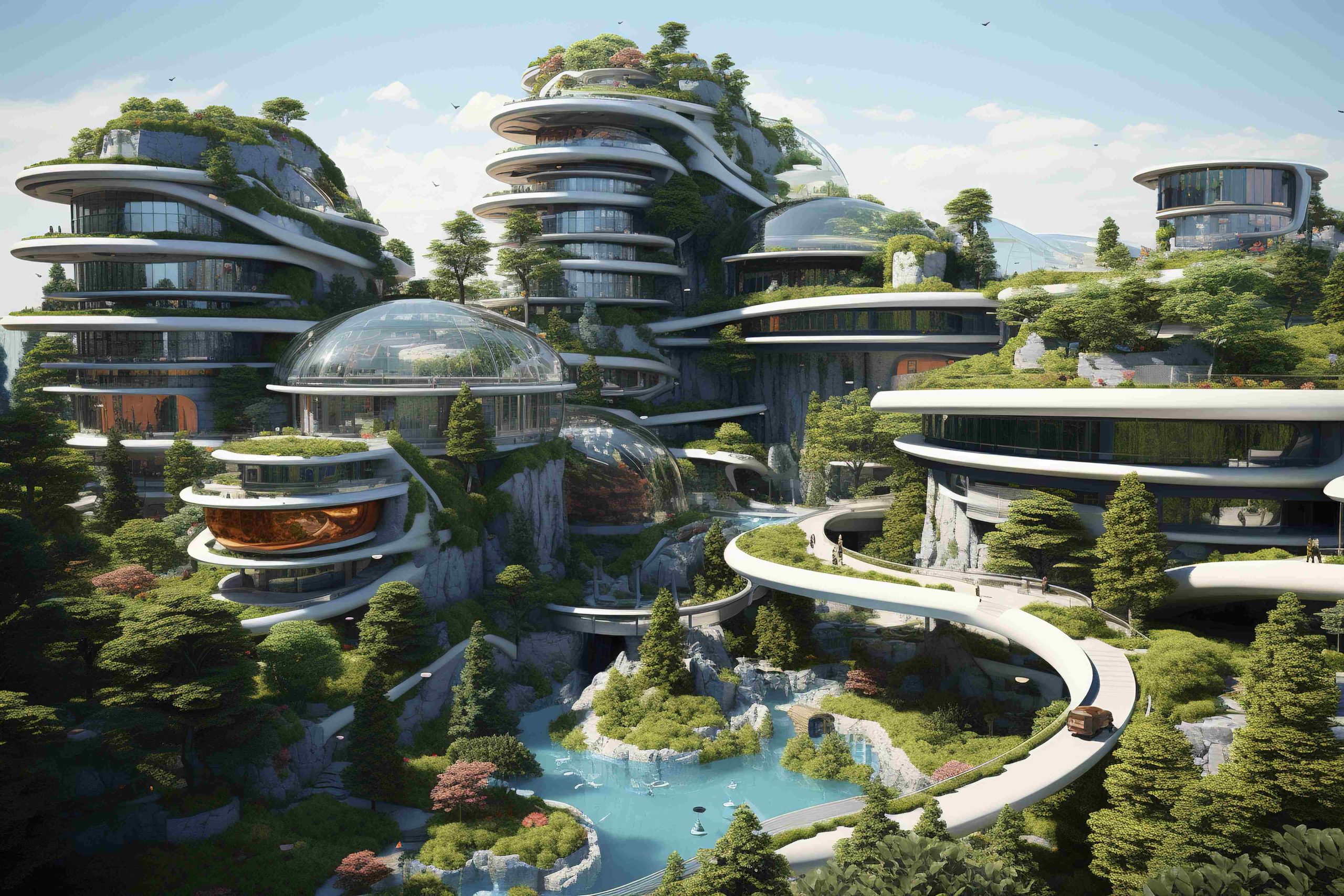
As the world becomes increasingly urbanized, biophilic design has emerged as a leading trend in home architecture and interior design. Rooted in the concept of reconnecting humans with nature, biophilic design in 2025 emphasizes sustainability, wellness, and aesthetic harmony.
What is Biophilic Design?
Biophilic design incorporates natural elements into built environments to improve health, well-being, and productivity. It integrates:
- Natural light and ventilation
- Plants and greenery
- Natural materials and textures
- Water features
- Organic shapes and patterns
Why is Biophilic Design Popular in 2025?
Several factors are driving the adoption of biophilic design in homes:
1. Focus on Wellness
With increased awareness of mental and physical health, homeowners are prioritizing spaces that reduce stress and improve well-being. Studies show that nature-inspired designs lower blood pressure, boost mood, and enhance cognitive function.
2. Sustainability Concerns
Climate change has amplified the need for eco-conscious living. Biophilic homes use sustainable materials, natural ventilation, and energy-efficient designs, aligning with global green-building standards.
3. Remote Work Culture
The continued rise of remote work has created a demand for calming, productive home offices. Biophilic elements like greenery and ample daylight help reduce fatigue and increase focus.
Key Elements of Biophilic Homes in 2025
1. Indoor Greenery
Plants are the cornerstone of biophilic design. In 2025, homes feature:
- Living walls and vertical gardens
- Potted plants incorporated into furniture designs
- Self-watering planters and smart gardening systems
2. Natural Light
Maximizing natural light is crucial. Popular methods include:
- Floor-to-ceiling windows
- Skylights and solar tubes
- Light-reflecting materials to brighten spaces
3. Natural Materials
Home interiors are embracing sustainable materials such as:
- Bamboo, cork, and reclaimed wood
- Stone and clay-based finishes
- Biodegradable textiles for furniture and decor
4. Water Features
From small indoor fountains to integrated rainwater systems, water features add tranquility and a sensory connection to nature.
5. Organic Shapes and Patterns
Furniture, decor, and architectural elements reflect the fluidity of natural forms, including:
- Curved edges and asymmetrical designs
- Biomorphic patterns in textiles and wallpapers
Practical Tips for Integrating Biophilic Design at Home
1. Start Small
Begin by adding houseplants, rearranging furniture for better light access, or incorporating natural textures in decor.
2. Choose Multi-Functional Elements
Invest in features like a modular plant display that doubles as a room divider or energy-efficient windows that provide views of nature.
3. Connect Indoor and Outdoor Spaces
Blur the boundaries between indoor and outdoor areas with sliding glass doors, outdoor decks, or indoor atriums.
4. Utilize Technology
Leverage smart home devices to maintain plants, regulate indoor climate, and enhance energy efficiency.
Biophilic Design Trends in 2025
- Edible Gardens: Integrating herb gardens and vertical farming systems into kitchens.
- Hybrid Spaces: Creating versatile rooms that incorporate work, relaxation, and natural elements.
- Biophilic Smart Homes: Merging biophilic principles with AI and IoT for optimized living experiences.
The Future of Biophilic Design
Biophilic design represents more than a trend—it’s a movement toward sustainable, mindful living. By embracing this approach, homeowners in 2025 are transforming their spaces into sanctuaries that prioritize health, happiness, and harmony with nature.