
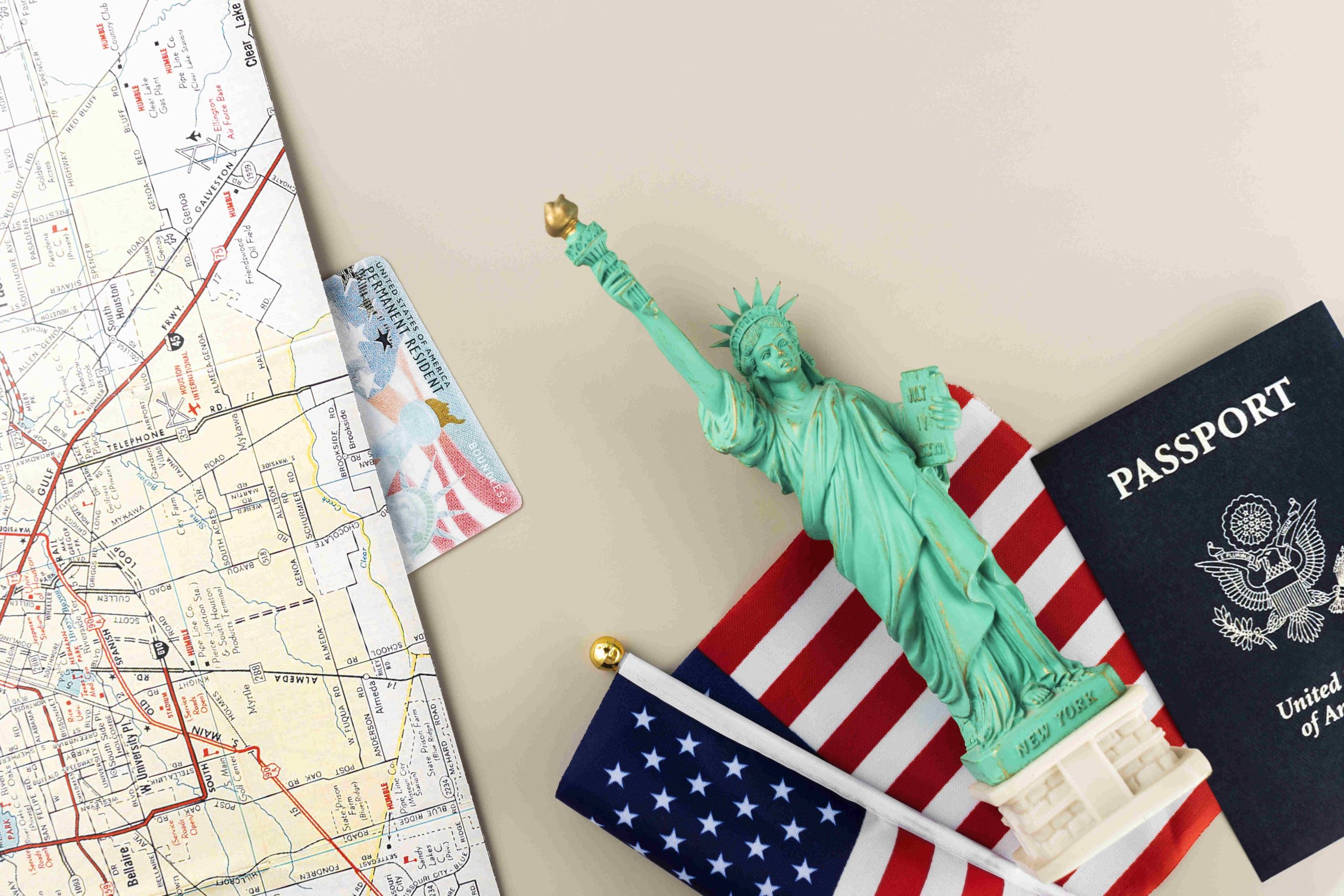
The landscape of immigration in the United States is set for dramatic shifts in 2025. With new policies on the horizon, we are witnessing an intense re-examination of how the country handles border security, immigration laws, and the treatment of undocumented immigrants. These policies are expected to reverberate across the country, reshaping immigrant communities, the economy, and even the political scene. Here’s what you need to know about the major changes and how they will impact America moving forward.
1. A Stronger Border Security Framework
One of the central elements of the new immigration policies is an increased focus on tightening U.S. borders. Among the most notable measures is the revival of the “Remain in Mexico” policy, requiring asylum seekers to wait in Mexico while their claims are processed. Furthermore, the push for a more fortified southern border continues, with an emphasis on finishing the incomplete border wall. The government aims to reduce the flow of unauthorized immigration and prioritize national security.
While the intention behind these measures is to address security concerns, they face legal hurdles and could potentially lead to further political clashes. Many advocates for immigrant rights worry about the potential for human rights violations during implementation.
2. Introduction of the Laken Riley Act
One of the most controversial proposals introduced this year is the Laken Riley Act. This law allows the detention and potential deportation of undocumented individuals, even if they have not been convicted of any crimes, as long as they are accused of minor offenses. The bill provides a fast-track method for processing these individuals without the opportunity for bond hearings.
Immigration advocates have expressed deep concerns, claiming that this bill may result in unjust actions against innocent people, including workers and families who are contributing members of American society. It’s a massive shift from prior policies that granted more protective measures to people before deportation.
3. The Rise of Project 2025
Project 2025 envisions a radical restructuring of the way U.S. immigration functions. The proposal suggests dismantling the Department of Homeland Security (DHS) in favor of a new federal agency dedicated solely to border security and immigration enforcement. Among its provisions, this plan would reduce refugee admissions and increase the administrative costs associated with asylum requests, potentially placing a further burden on those seeking sanctuary in the U.S.
Critics argue that Project 2025 undermines the effectiveness and humanitarian aspects of current U.S. immigration systems. Instead of offering refuge and support to those fleeing conflict or persecution, this policy would raise barriers, limiting opportunities for those in need of help.
4. Mass Deportations: What Will They Mean?
One of the more stark outcomes of the new policies will be mass deportations. The current administration has pledged to conduct deportations on a daily basis, especially prioritizing individuals with criminal records or suspected national security threats. The goal is to reduce the number of undocumented immigrants residing in the U.S.
However, this push has ignited fierce debates. Human rights organizations argue that mass deportations fail to recognize the human side of the immigration issue, where many migrants live and work peacefully, contributing to American society. Additionally, these actions could lead to large-scale family separations, creating waves of fear and uncertainty across immigrant communities.
5. Political Division and Public Backlash
It is no surprise that the 2025 immigration policies have deepened the political divide in America. On one side, the measures have been strongly supported by Republicans, who argue that stricter immigration enforcement is necessary for national security. On the other side, Democrats and immigrant advocacy groups claim the new rules are overly harsh and lack compassion for those fleeing violence, poverty, and war.
With both political parties gearing up for heated debates and mid-term elections, the fight over immigration will continue to intensify. Legislative gridlock is likely, with Democrats calling for more comprehensive immigration reform that includes pathways to citizenship and fair treatment of immigrants.
6. Economic Impact: Consequences of Stricter Immigration Controls
The economy stands to feel the effects of these changes. Immigrant labor contributes significantly to the U.S. workforce in sectors like agriculture, hospitality, construction, and technology. If undocumented workers are deported in large numbers, these industries could face labor shortages, which might raise costs and hinder growth.
Additionally, the federal government’s increased spending on border security and enforcement may strain national and state budgets. Lawmakers will have to grapple with the cost of executing mass deportations, the construction of the border wall, and a growing number of legal challenges to the policies.
Conclusion: Navigating a Changing Immigration Landscape
2025 has brought significant challenges and shifts to the way the U.S. handles immigration. With policies ranging from increased deportations to a revamping of government agencies, the future of immigration is at a crossroads. While the new policies are centered on national security and public safety, they come at a cost—potentially undermining the contributions of immigrant communities and sparking widespread legal and political battles.
As we witness these changes, it’s important to stay informed and engaged. The conversation around immigration in the U.S. is bound to evolve, and how we respond will shape the future of this nation for years to come.