
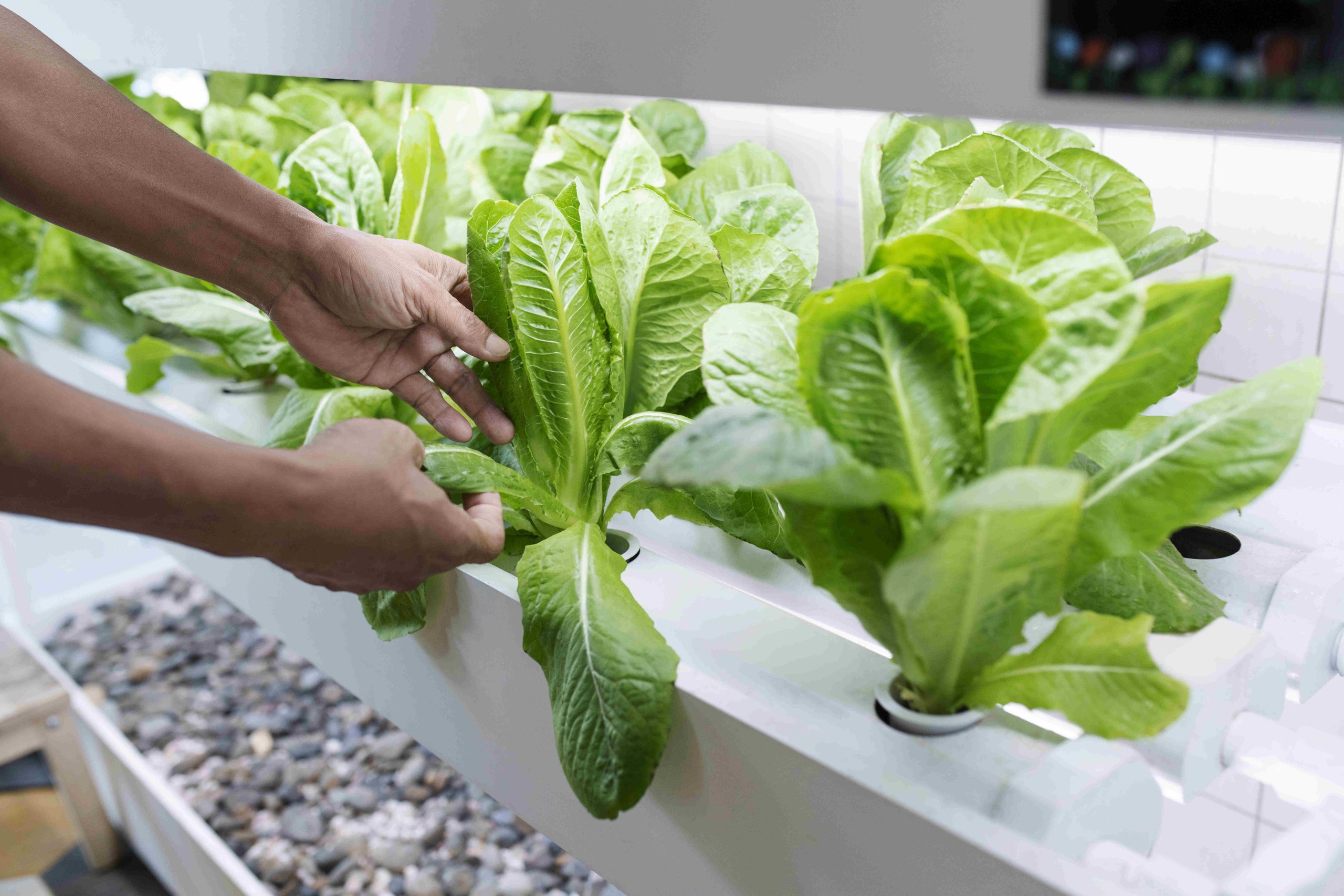
In an age of sustainability, health consciousness, and rising grocery prices, more Americans are turning to indoor hydroponic gardening as a way to take food production into their own hands. Hydroponics—the method of growing plants without soil using nutrient-rich water—has seen a significant rise in popularity, especially among urban dwellers and those with limited outdoor space. This once niche technology is now becoming a household trend that reflects shifting priorities in lifestyle, food security, and environmental responsibility.
Why Hydroponics?
Hydroponic systems offer several key advantages over traditional soil gardening. They require less space, grow plants faster, use up to 90% less water, and can be set up virtually anywhere—kitchens, basements, balconies, or even spare closets. For many Americans living in apartments or urban environments without access to a backyard, hydroponics makes growing fresh herbs, vegetables, and even fruits entirely feasible.
The appeal also lies in its control and predictability. With hydroponics, there’s no dealing with unpredictable soil conditions, pests, or changing seasons. Growers can precisely manage the nutrients and lighting their plants receive, leading to consistent, high-quality yields.
The Tech Boom Behind the Trend
Modern hydroponic systems have been made user-friendly thanks to advancements in technology. Smart gardens, often app-connected, monitor pH levels, nutrient balance, and water usage. LED grow lights simulate natural sunlight, allowing plants to thrive indoors year-round. Brands like AeroGarden, Lettuce Grow, and Gardyn have created sleek, compact systems that blend seamlessly into modern interiors and are as easy to operate as a coffee maker.
Many of these systems are plug-and-play, perfect for beginners. Users simply insert seed pods, fill the water reservoir, and let the technology do the rest. This has opened hydroponics up to a wider audience—not just green thumbs, but busy professionals, families with children, and health-conscious millennials.
From Trend to Lifestyle
What started as a curiosity during the pandemic—when people sought ways to be more self-sufficient and avoid crowded grocery stores—has grown into a long-term habit. Indoor gardening provides a sense of routine, accomplishment, and connection to food. It’s become a therapeutic hobby that aligns with broader wellness and sustainability movements.
Parents are also using hydroponic gardens as educational tools to teach kids about where food comes from and the basics of biology and nutrition. Meanwhile, culinary enthusiasts love the convenience of having fresh herbs and vegetables on hand without a trip to the store.
Sustainability and Food Security
Hydroponics is also gaining traction as a solution to food deserts and supply chain vulnerabilities. In urban areas with limited access to fresh produce, indoor gardens can offer a consistent and affordable alternative. The low resource usage also makes hydroponics an environmentally friendly choice, reducing reliance on long-distance food transportation and excessive packaging.
As climate change continues to impact agriculture, indoor gardening offers a level of food independence that is becoming increasingly appealing. Even growing a portion of one’s greens at home can contribute to a more resilient and sustainable food system.
Challenges to Consider
While hydroponics has many benefits, it’s not without its challenges. Initial costs for quality systems can be high, and there is a learning curve, especially when scaling up or growing more demanding crops. Some critics argue that the energy usage for artificial lighting offsets the water savings, though advances in efficient LEDs are helping mitigate this issue.
Additionally, while hydroponics can produce a wide range of vegetables and herbs, not all crops are equally suited for indoor systems. Leafy greens, tomatoes, peppers, and herbs are ideal, but root vegetables or large fruiting plants may require more complex setups.
Looking Ahead
The rise of indoor hydroponic gardening is more than a passing trend—it’s a reflection of changing values around food, health, and sustainability. As technology becomes more accessible and public interest in local, clean food grows, hydroponics may become a staple in American homes.
Whether you’re looking to cut grocery bills, reduce your environmental impact, or simply enjoy fresher meals, bringing a bit of the farm indoors could be the next great lifestyle shift. With indoor hydroponics, anyone can be a farmer—no backyard required.