
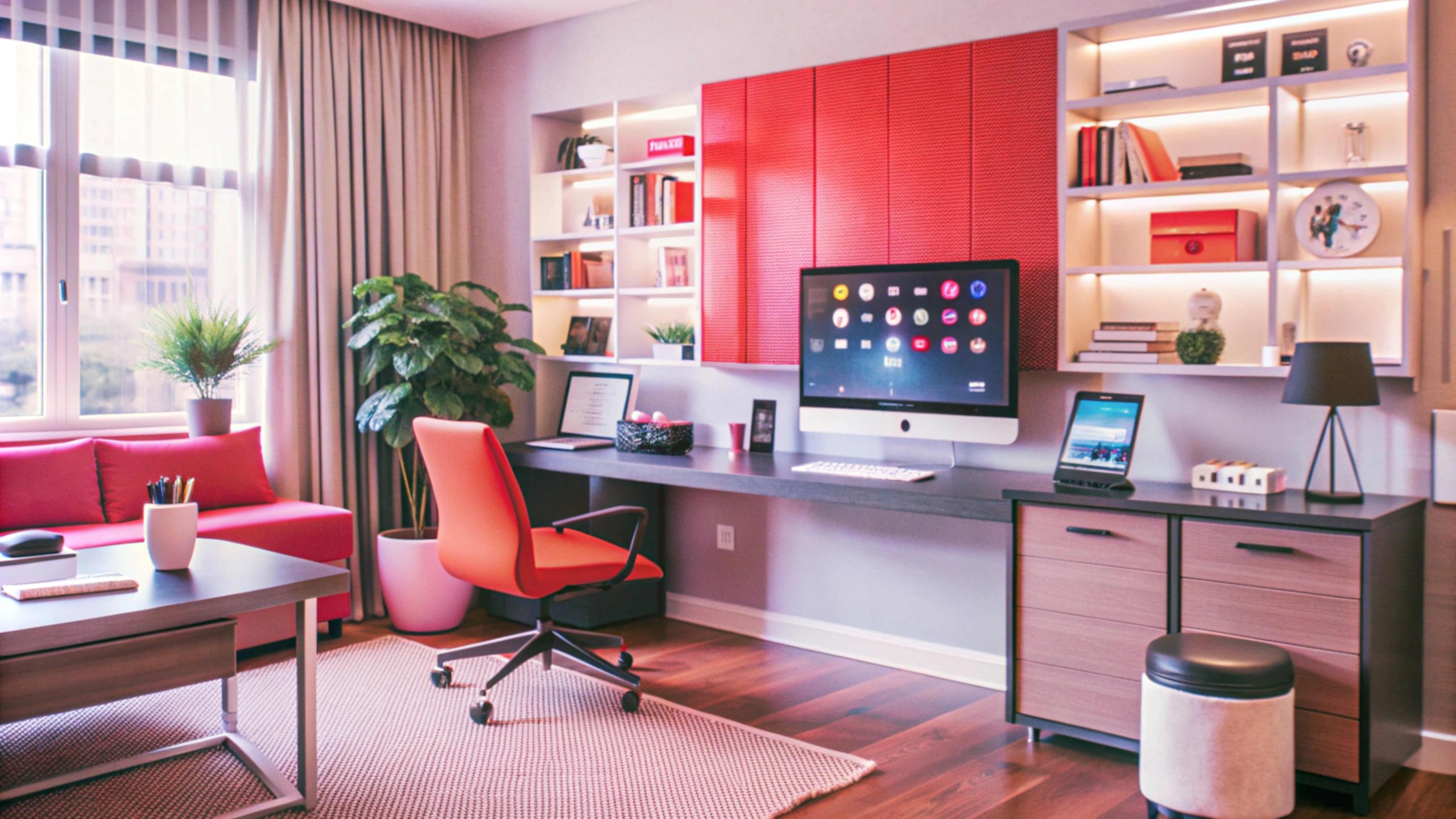
As remote work continues to rise, creating a home office that promotes focus, productivity, and tranquility has become more important than ever. One of the most effective ways to achieve this is by adopting a minimalist approach to your workspace. In 2025, minimalist design is more than just a trend; it’s a lifestyle choice that can improve efficiency and foster a calm, stress-free environment.
If you’re looking to create a minimalist home office, this guide will help you set up a space that’s both functional and aesthetically pleasing. Let’s dive in!
What is a Minimalist Home Office?
A minimalist home office is one that embraces simplicity, functionality, and organization. It involves keeping only the essentials, reducing clutter, and creating an environment that fosters focus and productivity. The beauty of a minimalist workspace lies in its clean, open feel. It’s not about having empty space but rather about using space effectively and intentionally.
Why Choose a Minimalist Home Office?
Choosing a minimalist approach to your home office offers several benefits:
- Enhanced Productivity: A clutter-free environment helps you concentrate better and reduces distractions.
- Reduced Stress: With fewer items around you, there’s less visual noise, helping you feel more relaxed.
- Simplified Maintenance: Fewer things mean less cleaning and organizing, which saves time.
- Aesthetically Pleasing: A minimalist design can create a serene and modern atmosphere.
In 2025, as we continue to spend more time working from home, these benefits become even more important. A minimalist home office allows you to create a space that works with you, not against you.
Steps to Create Your Minimalist Home Office
1. Start by Decluttering
Before you can create a minimalist home office, you need to declutter your space. Go through every item on your desk, shelves, and surrounding areas. Ask yourself: Do I need this? Does it help me work better? If the answer is no, it’s time to let it go. Only keep items that serve a purpose or bring you joy.
Tips for Decluttering:
- Remove excess papers and files—digitize what you can.
- Keep only the essential office supplies within arm’s reach.
- Clear out unnecessary furniture or items that don’t fit your workspace’s needs.
2. Choose a Functional Layout
The layout of your office is critical to its functionality. Your desk should be the centerpiece, positioned in a way that allows you to work comfortably. Consider the flow of the room: ensure you have enough space to move around and that everything you need is within easy reach.
Key considerations for layout:
- Position your desk near natural light if possible, as it boosts productivity.
- Keep your workspace ergonomic—adjust the height of your chair and desk to ensure proper posture.
- Use wall-mounted storage solutions to save floor space.
3. Invest in High-Quality, Multi-Functional Furniture
In minimalist design, the mantra is quality over quantity. Rather than overcrowding your office with furniture, choose pieces that serve multiple purposes. A sleek, minimalist desk with built-in drawers or shelving can help you stay organized without overwhelming the space. Similarly, an ergonomic chair that promotes good posture is essential for long hours of work.
Furniture choices to consider:
- A simple, spacious desk that can hold your computer, essential supplies, and a few personal items.
- A comfortable, adjustable chair that supports your back and neck.
- Shelving or storage units that are minimalist but functional, like floating shelves or storage bins.
4. Embrace Neutral Colors
A minimalist home office is typically decorated in neutral colors to create a calm, peaceful environment. Shades of white, gray, beige, or soft pastels help to avoid visual overload and promote a sense of calm.
How to choose the right colors:
- Opt for light, airy tones for the walls and large furniture pieces.
- Use pops of color sparingly—through artwork, plants, or decor items—so they don’t overpower the space.
- Consider natural materials like wood to add warmth and texture to your neutral color palette.
5. Keep Technology Simple
Technology is an essential part of any modern home office, but a minimalist approach means you should only use what’s necessary. Invest in high-quality devices that improve your work experience, and avoid cluttering your desk with gadgets you don’t regularly use.
Tech tips for a minimalist home office:
- Use wireless devices, such as a wireless keyboard and mouse, to minimize cables.
- Choose a compact, powerful laptop or desktop setup that fits seamlessly into your workspace.
- Keep your cords organized with cable management systems or hidden storage.
6. Maximize Storage Without Overcrowding
Storage is crucial in a minimalist office, but it’s important to strike a balance between function and aesthetics. Use smart storage solutions to keep your workspace organized and clutter-free.
Storage ideas for a minimalist office:
- Use wall-mounted shelves or cabinets to keep your supplies organized and off the desk.
- Opt for multi-purpose furniture, like a desk with built-in drawers.
- Invest in attractive storage bins for paperwork and office supplies.
7. Incorporate Natural Elements
Bringing nature into your workspace is a hallmark of minimalist design. Plants, natural materials, and even natural light can help to enhance your productivity and well-being.
Ways to incorporate nature:
- Add a few low-maintenance plants like succulents, ferns, or snake plants to add a touch of greenery.
- Choose furniture made from natural materials, such as wood, stone, or bamboo.
- Position your desk near windows to allow as much natural light in as possible.
8. Personalize Without Overdoing It
While minimalism is about simplicity, it’s still important to make your space feel like your own. Add a few personal touches, but avoid over-cluttering your space with unnecessary items.
How to personalize your minimalist office:
- Display one or two pieces of art that inspire you.
- Use functional items, like a stylish lamp or a unique desk organizer, to inject some personality into your workspace.
- Keep decor minimal but meaningful, focusing on items that make you feel motivated and energized.
Maintaining Your Minimalist Home Office
Once your minimalist home office is set up, it’s important to maintain it. Here are a few tips to keep your workspace looking its best:
- Regularly declutter: Make it a habit to clean up your desk at the end of each day. This prevents clutter from building up.
- Adopt a “one in, one out” rule: When you bring in a new item, remove one to keep things from piling up.
- Organize your digital files: Just as you organize physical items, keep your digital workspace clean and free from unnecessary files.
Conclusion
A minimalist home office in 2025 is more than just a design trend—it’s about creating a space that allows you to work efficiently, stay focused, and maintain balance in your life. By embracing simplicity and prioritizing functionality, you can transform your office into a peaceful, productive sanctuary that helps you achieve your best work.
FAQs
1. How do I maintain a minimalist home office long-term?
Keep your office organized by regularly decluttering and adopting a “one in, one out” rule for new items. Stay disciplined about keeping only what’s necessary.
2. What are some tips for incorporating personal style into a minimalist office?
Choose one or two meaningful decor items, such as artwork or personal objects, that complement the minimalist aesthetic. Focus on subtle touches rather than overwhelming the space.
3. Is it possible to create a minimalist office on a budget?
Yes! You can create a minimalist office by investing in quality, multifunctional furniture and finding storage solutions that fit your space. You don’t need to spend a lot to achieve a minimalist design.
4. How can I make my minimalist office more comfortable?
Ensure you have an ergonomic chair and desk setup. Add soft elements like a cozy throw blanket or cushions to make the space more inviting while maintaining simplicity.
5. What is the best way to organize paperwork in a minimalist office?
Use digital storage whenever possible. For physical documents, invest in simple filing systems or document trays to keep papers organized and out of sight.
Please don’t forget to leave a review.