
Stress is a part of daily life, but managing it effectively can make a huge difference in mental and physical well-being. One powerful yet simple technique for stress relief is box breathing, a method used by athletes, military personnel, and mindfulness practitioners to regain focus, reduce anxiety, and enhance overall well-being.
What is Box Breathing?
Box breathing, also known as square breathing, is a controlled breathing exercise that involves four equal steps:
- Inhale through your nose for four seconds.
- Hold your breath for four seconds.
- Exhale slowly through your mouth for four seconds.
- Hold your breath again for four seconds before repeating the cycle.
The beauty of box breathing is its simplicity. You don’t need any special equipment—just a quiet place and a few minutes of your time.
The Science Behind Box Breathing
Breathing techniques like box breathing have been shown to activate the parasympathetic nervous system, which helps calm the body’s fight-or-flight response. This deep, controlled breathing technique has numerous benefits, including:
- Lowering cortisol (the stress hormone) levels.
- Reducing heart rate and blood pressure.
- Enhancing mental clarity and focus.
- Helping regulate emotions and increase resilience in stressful situations.
How to Practice Box Breathing
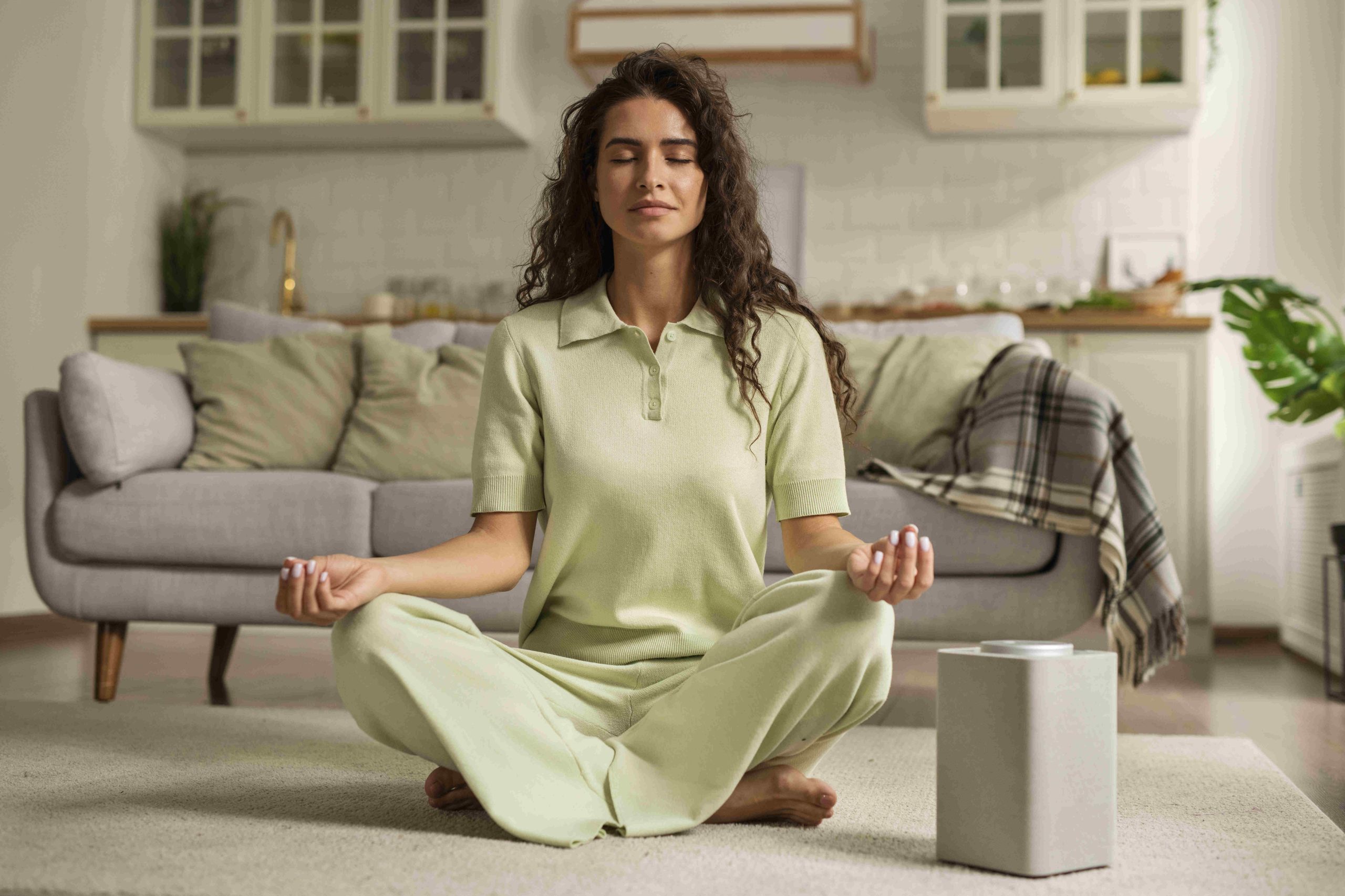
- Find a quiet space where you can sit comfortably.
- Close your eyes and take a few deep breaths to relax.
- Begin the cycle: Inhale, hold, exhale, hold—all for four seconds each.
- Repeat the process for at least four to five minutes.
- Focus on your breath and try to clear your mind.
When to Use Box Breathing
Box breathing is incredibly versatile and can be used in various situations, such as:
- Before a big meeting or presentation – Helps reduce nervousness and improve concentration.
- During moments of high stress – Calms the mind and prevents panic.
- Before bedtime – Aids relaxation and promotes restful sleep.
- While meditating – Enhances mindfulness and deepens meditation practice.
- After intense physical activity – Helps slow the heart rate and promote recovery.
Box Breathing Variations
While the standard method follows the 4-4-4-4 pattern, you can adjust it to suit your comfort level:
- Beginner variation – Start with 3-second intervals and gradually increase.
- Advanced version – Increase the breath-holding time to 6-8 seconds for deeper relaxation.
- Paired with visualization – Imagine drawing a box with each breath cycle to stay focused.
Final Thoughts
Box breathing is a powerful yet simple technique that can help you gain control over your stress and improve overall well-being. By incorporating this practice into your daily routine, you can experience greater calm, focus, and emotional balance. The next time you feel overwhelmed, take a moment to breathe—and let box breathing work its magic.