
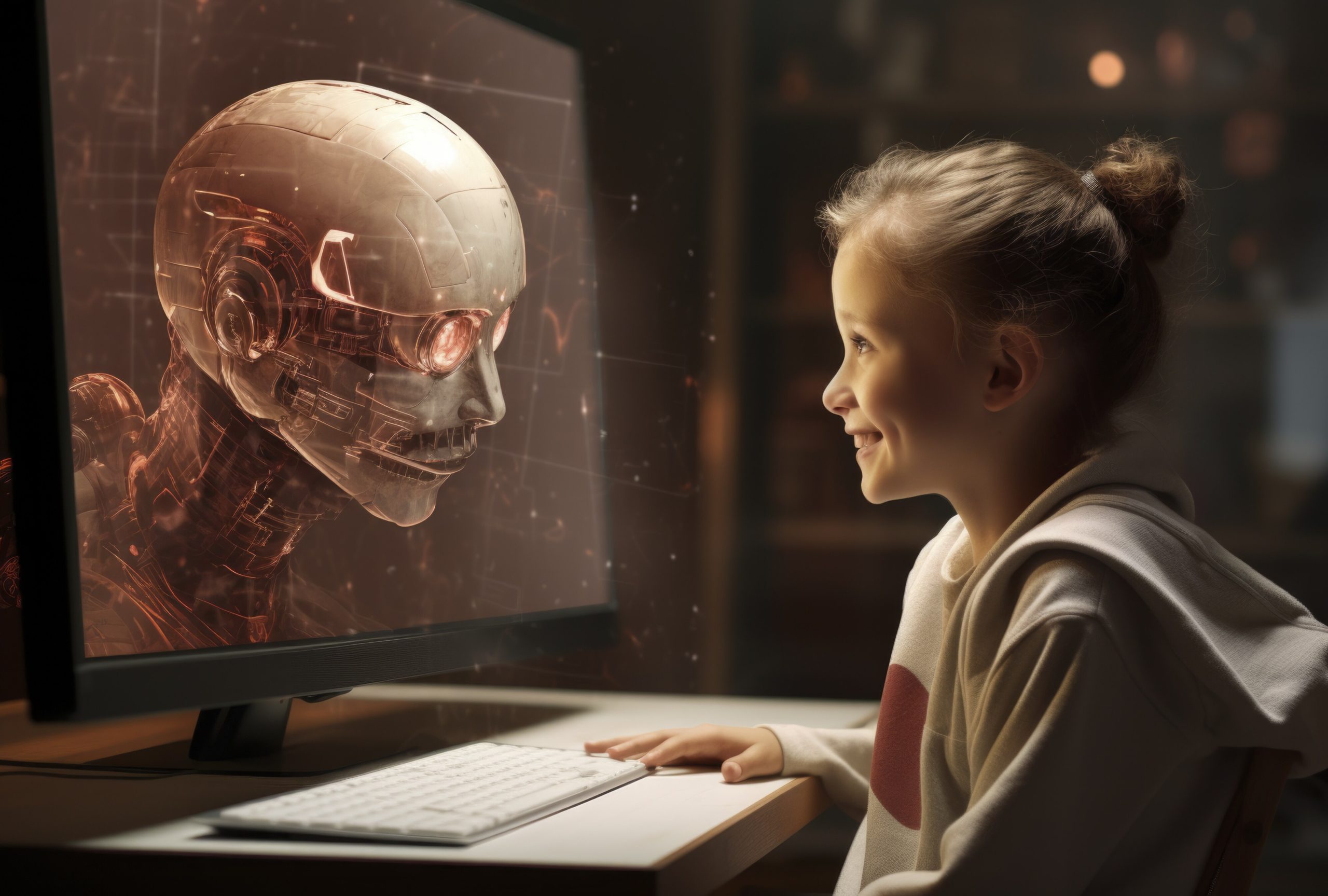
The education landscape has undergone a radical transformation in 2025, driven by rapid advancements in technology. Virtual classrooms and artificial intelligence (AI) have moved from experimental tools to essential components of modern learning. Today, students engage in immersive, personalized educational experiences that break geographical barriers and redefine traditional teaching methods.
In this article, we’ll explore how virtual classrooms and AI are reshaping education, the benefits they bring, and the challenges that come with these innovations.
The Evolution of Virtual Classrooms
Virtual classrooms were once considered an emergency solution during the COVID-19 pandemic, but by 2025, they have become a permanent fixture in global education. With high-speed internet, interactive platforms, and AI-driven tools, students can now attend school from anywhere in the world.
How Virtual Classrooms Work
- Immersive Learning Environments
- Virtual and augmented reality (VR/AR) allow students to step inside a historical event, explore a 3D model of the human body, or conduct science experiments in a virtual lab.
- AI-powered avatars and holograms make lessons more engaging by providing real-time demonstrations.
- Interactive Collaboration
- Students and teachers connect through live video, group discussions, and AI-driven feedback tools.
- Cloud-based platforms store all coursework, assignments, and assessments for easy access.
- Global Accessibility
- Students from rural areas or conflict zones can attend high-quality schools without physically relocating.
- Language barriers are broken with AI-driven live translations, making education more inclusive.
AI’s Role in Education: Personalized Learning at Scale
AI has become the backbone of education in 2025, making learning more efficient, personalized, and data-driven. AI-powered platforms analyze students’ strengths, weaknesses, and learning styles to tailor curriculum content in real time.
Key Ways AI Is Transforming Education
1. Personalized Learning Paths
Traditional classrooms followed a one-size-fits-all approach, but AI now ensures each student gets a customized learning experience. Adaptive learning platforms assess students’ progress and modify lesson plans to focus on their individual needs.
2. AI Tutors and Chatbots
AI tutors provide 24/7 assistance, answering students’ questions and guiding them through complex subjects. Chatbots help with administrative tasks, grading assignments, and sending reminders about homework deadlines.
3. Smart Assessment and Feedback
AI-powered assessments go beyond multiple-choice questions by evaluating students’ problem-solving approaches, creativity, and critical thinking skills. AI can also detect areas where students struggle and provide tailored recommendations for improvement.
4. Teacher Support and Automation
- AI helps teachers by automating grading, tracking student performance, and suggesting lesson improvements.
- Virtual teaching assistants handle repetitive administrative tasks, allowing educators to focus on mentorship and in-depth discussions.
Benefits of Virtual Classrooms and AI in Schools
1. Increased Access to Education
- Online platforms make high-quality education available to students regardless of location, disability, or socioeconomic background.
- AI-driven translation tools allow non-native speakers to access lessons in their preferred language.
2. Better Student Engagement
- Gamification and immersive learning through AI-powered simulations make lessons more interactive and engaging.
- Personalized learning helps keep students motivated by focusing on their interests and pace.
3. Cost Savings for Schools
- Virtual classrooms reduce the need for physical infrastructure and lower operational costs.
- AI automates tasks like grading and scheduling, reducing teacher workload and administrative expenses.
4. Preparation for Future Careers
- Digital literacy is more critical than ever, and AI-driven education ensures students are well-prepared for jobs in the technology-driven workforce.
- Schools incorporate coding, AI ethics, and data science into their core curriculum.
Challenges of AI and Virtual Learning in Schools
Despite its benefits, AI-driven education and virtual classrooms face some challenges:
1. Digital Divide
Not all students have access to high-speed internet or advanced devices, leading to disparities in learning opportunities. Governments and organizations must work on closing the digital gap to ensure equal access.
2. Data Privacy and Security
With AI tracking students’ learning behaviors and storing personal information, data privacy concerns have increased. Stricter regulations and cybersecurity measures are needed to protect student data.
3. Teacher Adaptation and Training
Many educators still struggle to integrate AI tools and virtual teaching methods effectively. Continuous training programs are required to help teachers adapt to new technologies.
4. Reduced Social Interaction
While virtual learning provides flexibility, it can limit face-to-face interactions and the development of social skills. Hybrid learning models that combine virtual and in-person teaching are emerging as a solution.
The Future of AI and Virtual Classrooms in Education
The next wave of AI-driven education will continue to push boundaries in:
- Metaverse Learning – Students will attend school in virtual campuses, interact with holographic teachers, and engage in global discussions without leaving their homes.
- Brain-Computer Interfaces – AI may soon be able to analyze brain activity to provide real-time feedback on learning comprehension.
- AI-Powered Career Guidance – AI will help students choose career paths based on their skills, interests, and evolving job market trends.
Education in 2025 is just the beginning of a long journey toward a more inclusive, personalized, and technologically advanced learning system.
Final Thoughts: A New Era of Learning
Virtual classrooms and AI in schools have revolutionized education, making learning more flexible, accessible, and personalized. However, challenges such as the digital divide and data security must be addressed to ensure an equitable future for all students.
As technology continues to advance, the role of teachers will shift from traditional instruction to mentorship, helping students navigate a world driven by AI. The future of education is here—and it’s smarter, more inclusive, and more immersive than ever before.