
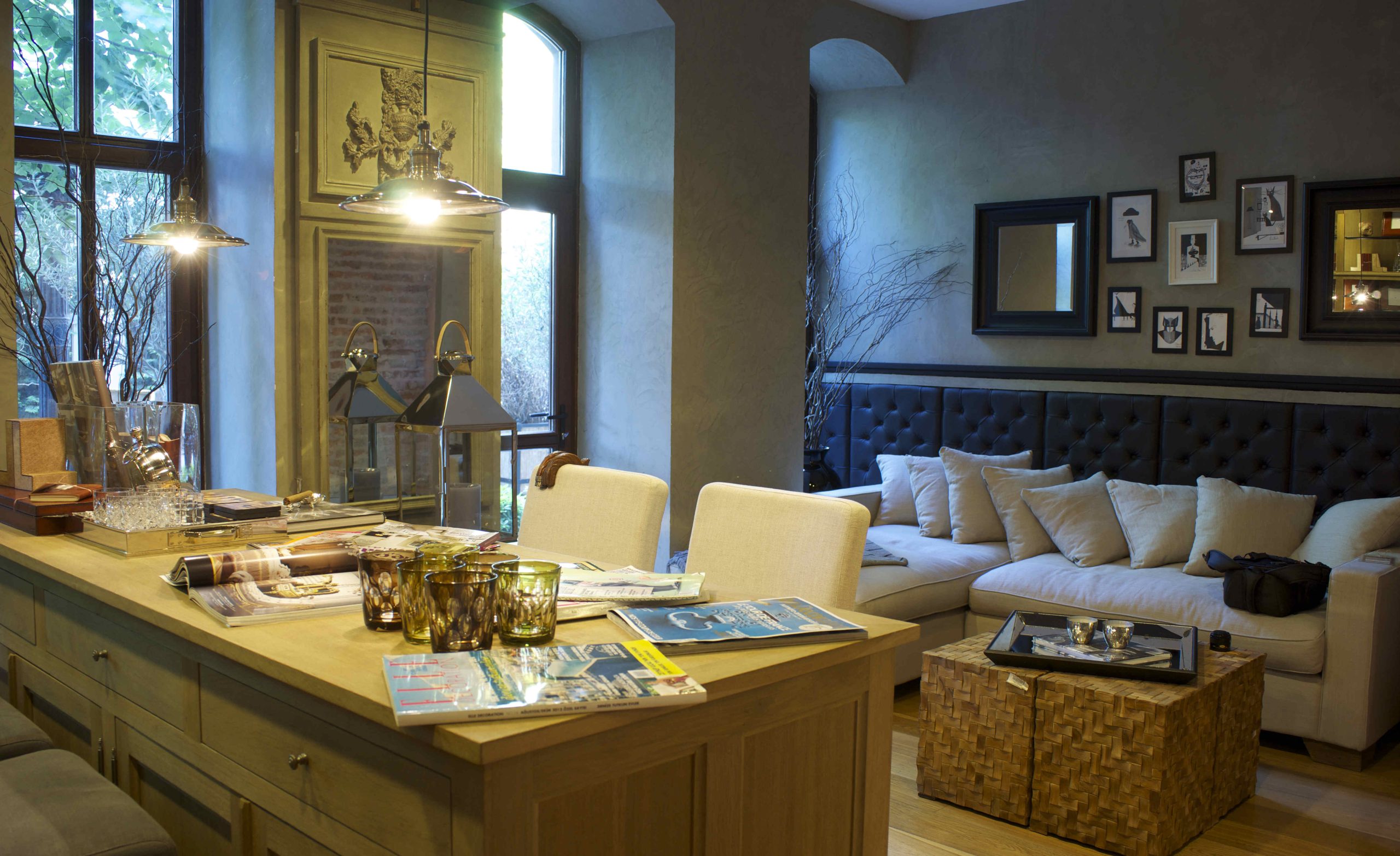
The industrial style has become a hallmark of modern home design, blending raw, unfinished elements with sleek, contemporary touches. Achieving a chic industrial look requires striking the right balance between ruggedness and refinement. Here’s a step-by-step guide to transforming your space into a stylish industrial haven.
1. Embrace Exposed Materials
The industrial aesthetic thrives on raw, unpolished materials.
Key Materials:
- Exposed brick walls: Leave them natural or paint them for a more contemporary feel.
- Concrete: Use polished or textured finishes for floors, walls, or countertops.
- Metal accents: Opt for steel, iron, or aluminum for shelving, fixtures, and furniture.
- Wood: Reclaimed or distressed wood brings warmth and balance to the ruggedness.
Tips:
- Highlight architectural features like exposed beams or ductwork.
- Mix different textures to avoid a cold or overly sterile look.
2. Opt for Neutral Color Palettes
A neutral base is essential for creating a cohesive industrial design.
Popular Colors:
- Shades of gray, black, and white dominate the palette.
- Incorporate earthy tones like rust, copper, and olive green as accents.
Styling Tip:
Add depth with layered tones and avoid overly bright or flashy colors.
3. Incorporate Industrial Furniture
The right furniture is crucial for achieving a chic industrial look.
What to Look For:
- Minimalist designs: Clean lines and simple shapes are key.
- Mixed materials: Combine wood with metal for tables, chairs, and shelves.
- Leather upholstery: Choose worn or vintage leather for sofas and armchairs.
Pro Tip:
Use a few statement pieces like a metal-frame coffee table or a factory-style cabinet to anchor the room.
4. Focus on Lighting
Lighting plays a significant role in industrial design by adding both functionality and ambiance.
Popular Lighting Options:
- Pendant lights with Edison bulbs
- Metal sconces and adjustable wall lamps
- Industrial-style chandeliers in matte black or brushed steel
Placement Tips:
- Layer your lighting with a mix of ceiling fixtures, floor lamps, and task lighting.
- Highlight specific areas or features, such as a brick wall or artwork.
5. Accessorize Thoughtfully
Decorative elements bring personality and soften the industrial edge.
Accessory Ideas:
- Large, bold wall art or black-and-white photography
- Industrial clocks, sculptures, or vintage machinery pieces
- Textiles like neutral rugs, throw blankets, and cushions to add comfort
Avoid:
- Overloading the space with clutter. Industrial design thrives on simplicity.
6. Combine with Modern Touches
For a chic look, mix industrial elements with contemporary design.
Examples:
- Sleek glass tables paired with exposed brick walls
- Modern art on distressed wood backgrounds
- Glossy finishes for a polished contrast to rugged materials
7. Create Open, Airy Spaces
The industrial style often draws from loft designs, which emphasize openness.
Tips:
- Use open floor plans to allow light and air to flow freely.
- Divide spaces subtly with metal-framed glass partitions or large shelving units.
- Keep windows bare or dress them with minimalistic curtains to maximize natural light.
Final Thoughts
Achieving a chic industrial look for your home involves balancing raw materials with modern elegance. By focusing on exposed textures, neutral tones, thoughtful lighting, and curated accessories, you can create a space that’s both functional and visually striking. Experiment with these elements to find your unique take on industrial design.