
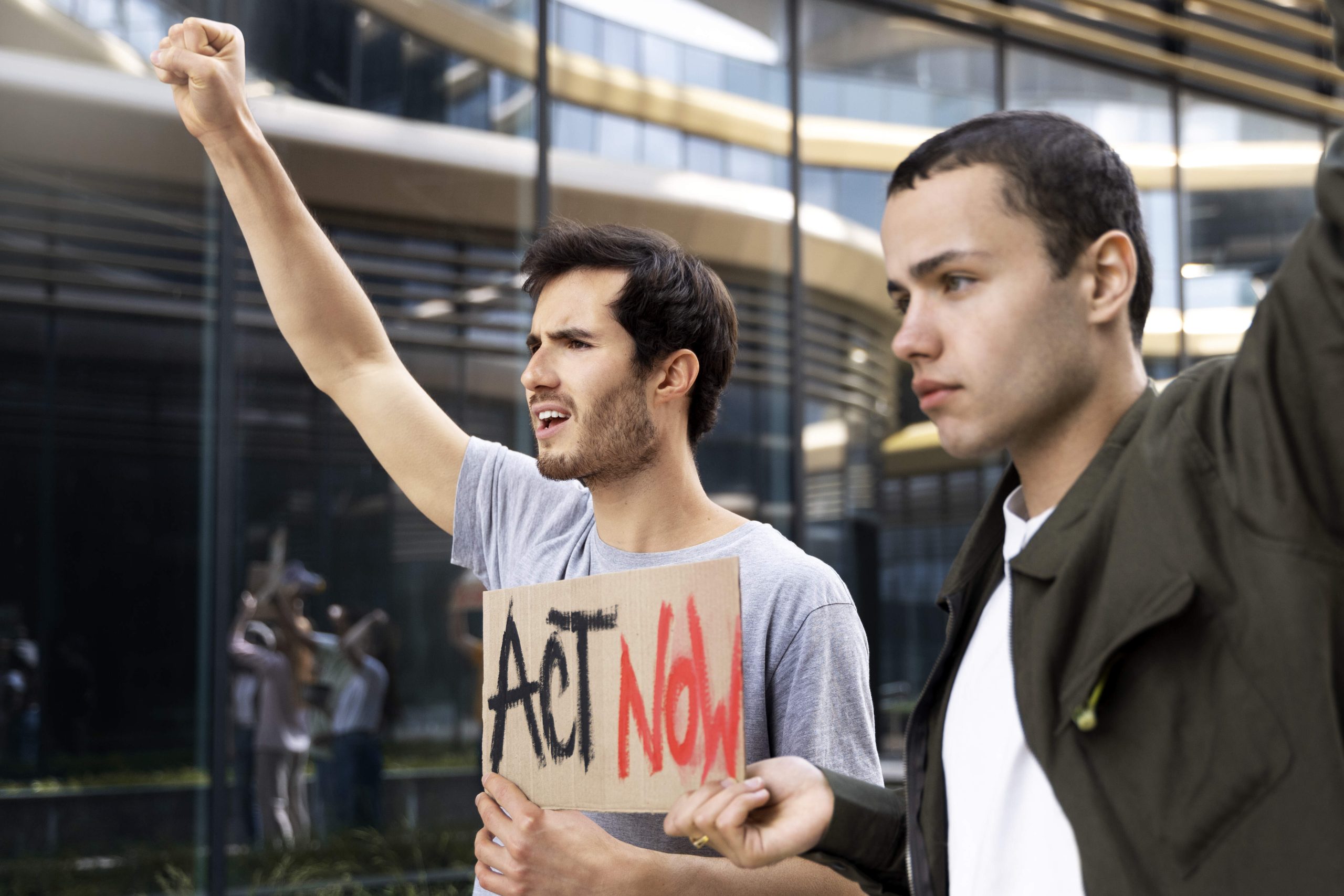
In the digital age, the term “cancel culture” has become a contentious topic, sparking debates about accountability, free speech, and the consequences of public callouts. Cancel culture refers to the practice of withdrawing support for public figures, companies, or individuals after they have said or done something deemed offensive or harmful. But is cancel culture a form of necessary accountability, or does it veer into the territory of public shaming? Let’s explore the psychological factors behind this phenomenon and its broader implications.
The Rise of Cancel Culture
The roots of cancel culture can be traced back to social justice movements and the increasing influence of social media. Platforms like Twitter, Instagram, and TikTok have empowered individuals to voice their opinions and hold others accountable on a global stage. While cancel culture is often associated with high-profile celebrities, everyday individuals and even brands have also found themselves “canceled” for actions perceived as problematic.
In many cases, cancel culture arises from a collective desire to address systemic injustices, such as racism, sexism, or abuse of power. It can also be seen as a way for marginalized communities to demand accountability from those who wield influence. However, the line between constructive criticism and destructive mob behavior is often blurred.
The Psychology Behind Cancel Culture
- Moral Outrage Moral outrage is one of the primary drivers of cancel culture. Psychologically, people feel a strong emotional reaction to perceived injustices or moral violations. This outrage often leads to a desire for immediate action, which can manifest as online callouts or demands for consequences.
- Groupthink and Social Conformity When cancel culture gains momentum, it often involves large groups of people rallying around a common cause. Psychologists refer to this as groupthink, where individuals prioritize harmony within the group over critical thinking. Social conformity pressures individuals to join the movement, even if they have doubts about its fairness.
- Virtue Signaling Participating in cancel culture can also serve as a form of virtue signaling, where individuals publicly express their moral values to gain social approval. By calling out someone else’s behavior, individuals may feel a sense of superiority or moral righteousness.
- The Need for Justice Humans have an inherent desire for fairness and accountability. Cancel culture can satisfy this psychological need by creating consequences for actions that might otherwise go unpunished. For many, it’s a way to restore balance and ensure that people are held responsible for their behavior.
- Anonymity and Online Disinhibition The internet’s anonymity allows individuals to express themselves without fear of immediate consequences. This online disinhibition effect can lead to harsher criticism, exaggerated outrage, or even cyberbullying. The lack of face-to-face interaction often removes the empathy that might otherwise temper responses.
The Effects of Cancel Culture
- Positive Outcomes
- Accountability: Cancel culture has brought attention to important issues and created real-world consequences for harmful behavior. It has led to systemic changes in industries and amplified the voices of marginalized communities.
- Empowerment: For those who have historically been silenced, cancel culture can provide a platform to challenge power dynamics and demand justice.
- Negative Consequences
- Public Shaming: In some cases, cancel culture escalates into public shaming, which can have severe psychological impacts on the individuals involved. Being “canceled” can result in anxiety, depression, and even suicidal thoughts.
- Overreach: Not every mistake warrants cancellation, and sometimes individuals are condemned without a fair chance to explain or grow from their actions. This creates a culture of fear and reduces opportunities for redemption.
- Polarization: Cancel culture often polarizes public discourse, making it harder to engage in constructive conversations. People may become defensive or resistant to change when faced with extreme criticism.
- Impact on Free Speech Critics argue that cancel culture stifles free speech by creating an environment where people are afraid to express opinions or make mistakes. The fear of being “canceled” can lead to self-censorship and limit open dialogue.
Accountability vs. Public Shaming
The distinction between accountability and public shaming lies in intent and execution. Accountability focuses on addressing harm, encouraging growth, and fostering understanding. It involves meaningful consequences that allow for learning and redemption. Public shaming, on the other hand, seeks to humiliate or ostracize, often with little regard for context or proportionality.
For cancel culture to be constructive, it’s essential to emphasize accountability over punishment. This includes:
- Providing individuals with the opportunity to learn and apologize.
- Recognizing the difference between harmful actions and honest mistakes.
- Encouraging dialogue and education rather than immediate condemnation.
Moving Forward
To navigate the complexities of cancel culture, we need a balanced approach that considers both accountability and compassion. While it’s important to call out harmful behavior, we must also recognize the humanity of those being criticized. Constructive feedback, context, and a willingness to forgive can help create a culture that promotes growth rather than fear.
At its best, cancel culture can be a tool for social progress. At its worst, it can devolve into a cycle of outrage and destruction. The challenge lies in finding the balance between addressing injustice and fostering empathy. By doing so, we can create a more just and compassionate society where accountability and understanding go hand in hand.